
Culture, Carried Forward
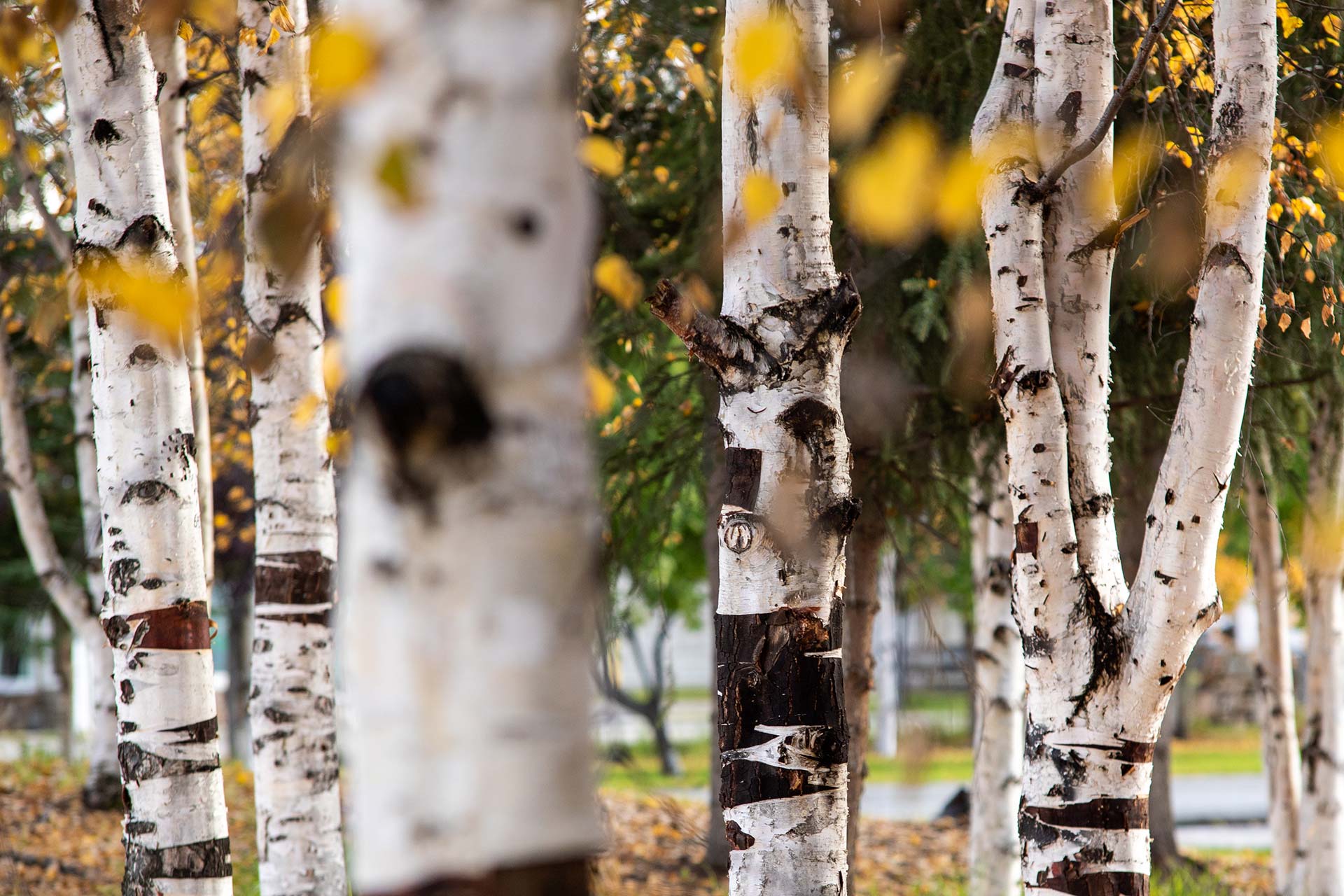
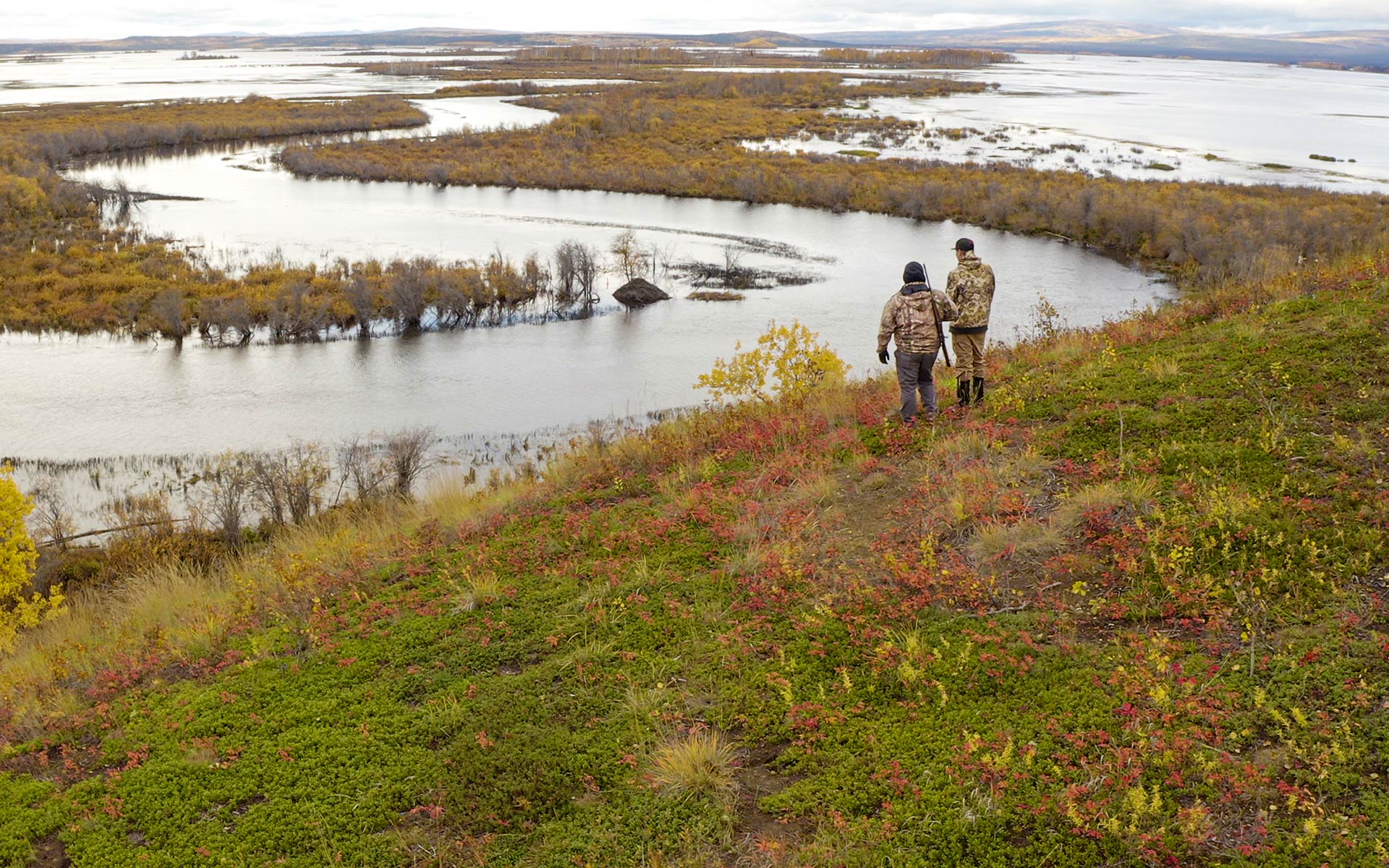
Across the Doyon Region, culture is carried forward through the stories, languages, knowledge, and traditions shared across generations. It is rooted in the enduring relationship between Interior Native peoples and their homelands—and remains present in how communities teach, create, remember, and connect.
This page brings together Doyon’s history, language revitalization efforts, and arts and traditions. Explore these sections to learn about the people, programs, and partnerships helping cultural knowledge continue into the future.

Culture in Action
Remembering
Sharing the history and leadership that shaped the Doyon region.
Speaking
Supporting opportunities to learn, document, and use the region’s ancestral languages.
Creating
Carrying traditional knowledge forward through art, craftsmanship, and contemporary expression.
Our History
Leadership, Advocacy, and Achievement Across Generations
Our History

The Indigenous peoples of Alaska’s Interior have lived in their traditional homelands for tens of thousands of years. Through generations of change, communities have continued hunting, fishing, and trapping; speaking their languages;
singing their songs; and carrying forward ceremonies, knowledge, and ways of life.
Beginning in the early twentieth century, Athabascan leaders organized to protect traditional lands, burial grounds, subsistence access, villages, and resources. Their advocacy helped establish the Tanana Chiefs Conference and Alaska
Federation of Natives, advance the Alaska Native land-claims movement, and lead to the creation of Doyon after the Alaska Native Claims Settlement Act was signed in 1971.

For Tens of Thousands of Years
Indigenous peoples have lived throughout Alaska’s Interior, sustaining communities through close relationships with the land, water, animals, and one another.
1915
Athabascan Chiefs from the lower Tanana River met with Alaska’s delegate to Congress, formally advancing priorities that included employment, education, health care, land protection, and continued access for subsistence.
1962–1966
Interior leaders organized across villages and helped build a statewide movement for Alaska Native land rights. Their work contributed to a federal freeze on state land selections until Native land claims could be resolved.
1971
The Alaska Native Claims Settlement Act established Alaska Native regional and village corporations owned by Alaska Native shareholders.
1972 and Forward
Doyon was incorporated and began the work of selecting, protecting, and managing lands while promoting the economic and social well-being of shareholders and future shareholders.
Walter Harper
On June 7, 1913, 20-year-old Koyukon Athabascan Walter Harper became the first member of his expedition to reach Denali’s summit. His knowledge of Alaska’s terrain, subsistence and survival skills, courage, and climbing ability were instrumental to the team’s success. Raised in Tanana and later Fort Yukon, Harper learned hunting, fishing, survival, and respect for the land through his Athabascan heritage. He is remembered as a role model whose legacy continues through the Walter Harper Project and Walter Harper Day.
Language
Strengthening and Sharing Our Ancestral Languages
Language
The Doyon Region is home to 11 ancestral languages—ten Athabascan languages and one Iñupiaq language—representing half of Alaska’s Native languages. Doyon Foundation identifies an urgent need to create learning opportunities as the number of fluent first-language speakers declines.
Doyon Foundation began laying the groundwork for a regionwide Language Revitalization Program in 2009, and Doyon, Limited provided startup funding in 2012. The program’s goals are to help ensure that the region’s languages and cultures are taught, documented, and accessible while collaborating with existing community efforts.
Doyon Foundation
Doyon Languages Online offers free introductory online lessons for ten of the region’s 11 languages.
The Our Languages Grant Program supports learning, sharing, documentation, community projects, immersive learning, and language-specific materials across all 11 ancestral languages.
Other published initiatives include Speak Denaakk’e with Molly, the Dena Spelling Bee, Alaska Native Word of the Week, and Doyon Languages Education.
Arts & Traditions
Carrying Traditional Knowledge Forward Through Art
Creative Practices Shared Across Generations
Across the Doyon Region, arts, and traditions are living expressions of culture, identity, and connection to place. Cultural knowledge has been carried across generations through creative practices, songs, potlatches, and skills learned from family, Elders, and community members.
These traditions are not limited to the past. Interior artists and knowledge holders continue to teach, create, and share practices connected to their communities and homelands. Through their work, inherited knowledge continues to take on personal and contemporary forms while remaining connected to the generations that came before.
Traditional Skills
Beadwork, sewing, quillwork, and other practices are passed on through observation, teaching, and hands-on experience.
Stories And Song
Songs, stories, and ceremonies share cultural knowledge and strengthen connections among generations.
From the Land
The land provides food, materials, and natural resources that have shaped traditional ways of life, knowledge, art, and cultural practices for generations. Plants, animals, and materials gathered from the land continue to influence clothing, tools, artwork, food, and other expressions of identity and connection to place.
LIVING EXPRESSION
Interior Alaska artists keep cultural knowledge and traditions alive through creative expression, carrying forward what was taught by previous generations while making space for new voices, perspectives, and ways of expressing culture.
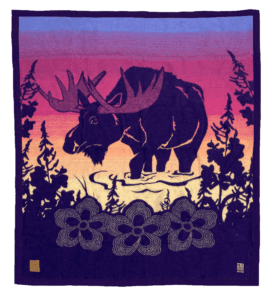
Eighth Generation
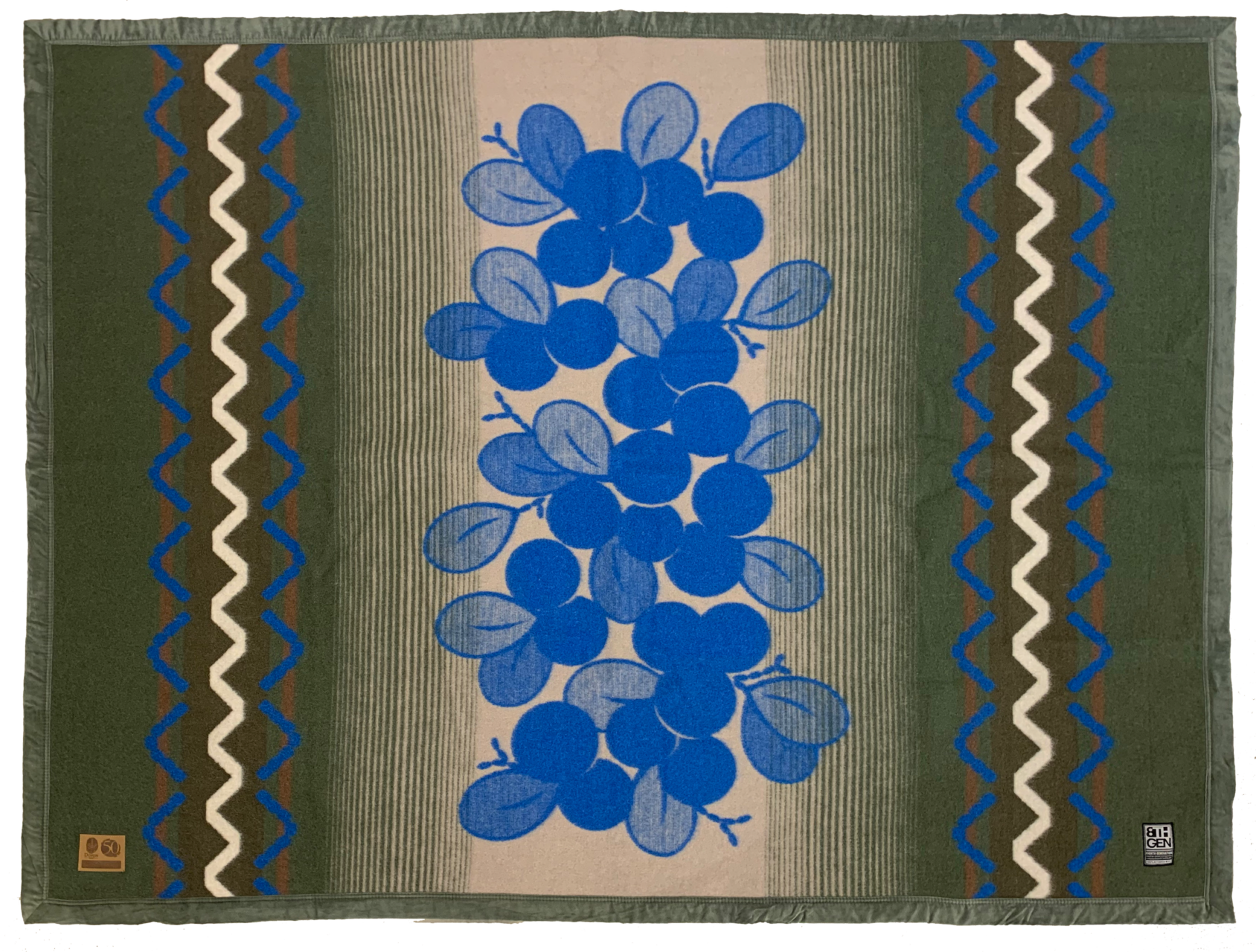
Doyon partnered with Eighth Generation to create custom blankets inspired by the artwork and cultural knowledge of Interior artists Lacey Sam of Huslia and Emma Hildebrand of Northway.
Sam’s K’eyeedze blanket draws inspiration from the beading traditions of her family and community, along with Alaska’s plants, animals, and landscapes. Hildebrand’s Traditions blanket reflects her work with nature, quillwork, traditional materials, and earthy tones.
Denakkanaaga
Denakkanaaga, meaning “Our People Speak” in Koyukon-Athabascan, serves as a voice for Native Elders across Interior Alaska. The organization supports Elders in carrying forward traditional knowledge, language, cultural practices, stories, and values while helping connect that knowledge with future generations.
Current Initiatives
Interior Native Vote
Interior Native Vote is a community-driven, nonpartisan initiative that helps Alaska Native people across Interior Alaska stay informed, engaged, and prepared to participate in elections. Working alongside tribes, Native corporations, Elders, youth, and community organizations, the initiative strengthens Native voices and encourages participation in decisions that shape communities and future generations.
Military Appreciation
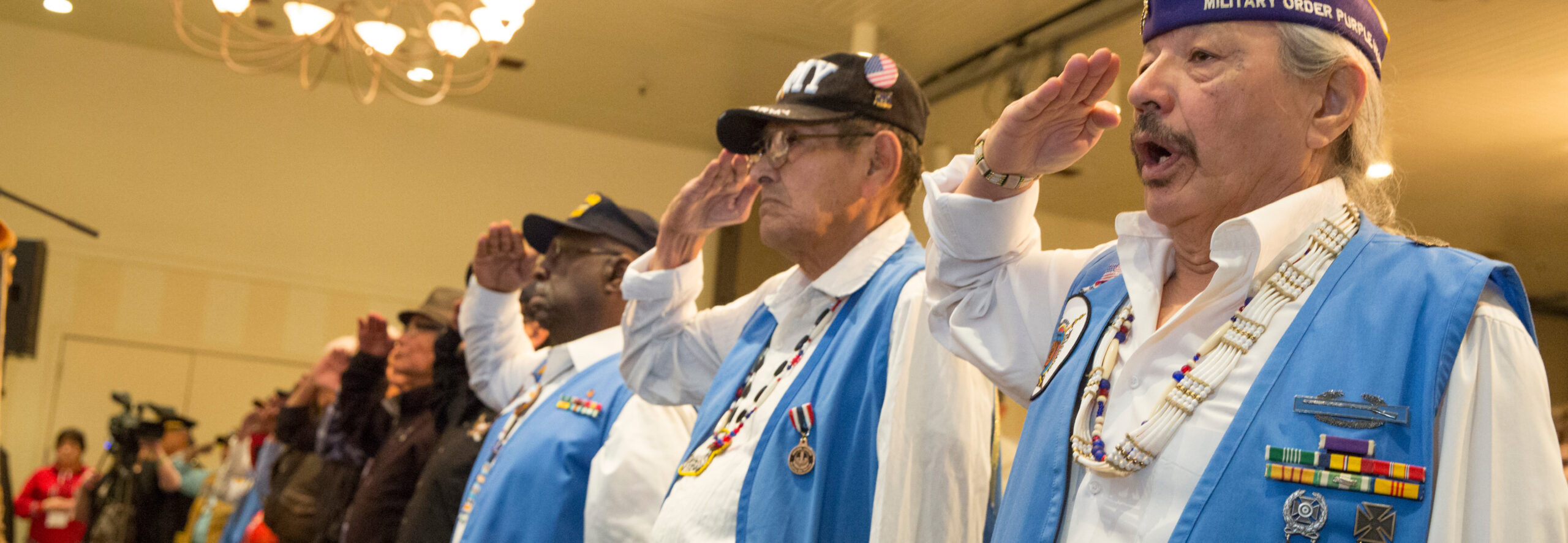
Doyon’s Military Appreciation initiative honors shareholders who have served or are currently serving in the U.S. Armed Forces. Through the Military Appreciation Book, Doyon recognizes their service, courage, and dedication while preserving their stories for families and future generations.
Latest Culture Updates


For more information contact the Communications Department at 907-459-2097, or 1-888-478-4755, or communications@doyon.com.